
Get your cushion measurements right first time with our simple step-by-step cushion measuring guide. Accurate measurements are essential for achieving the perfect fit, long-lasting comfort, and professional-looking made-to-measure cushions.
Whether you need replacement sofa cushions, bench cushions, window seat cushions, outdoor cushions, scatter cushions, or bespoke foam inserts, every custom cushion starts with precise sizing. This guide will help you measure cushions correctly for both standard and custom shapes, ensuring your new cushions fit perfectly from day one.
From firm foam seat cushions and medium-soft fibre pads to luxurious feather-filled cushions, we’ll show you exactly how to measure cushion width, depth, thickness, corners, curves, and bespoke shapes with confidence.
Follow the measuring steps below to restore comfort, improve support, and create custom cushions tailored perfectly to your furniture.
To achieve the perfect fit, it’s important to measure every part of your cushion accurately, not just the length and width. Depending on the cushion shape, you may also need to measure thickness (depth), corner angles, curves, top and bottom widths, or bespoke cut-outs.
Correct measurements ensure your replacement cushions or made-to-measure cushions fit neatly and comfortably without sagging, bunching, gaps, or overstretched fabric. A properly fitted cushion not only looks better but also improves support, comfort, and long-term durability.
This is especially important for foam cushions and replacement foam inserts, where even small measurement differences can affect firmness, support, and overall comfort.
Whether you’re measuring sofa cushions, bench cushions, dining chair cushions, window seat cushions, outdoor cushions, or bespoke shapes such as T-shape and L-shape cushions, accurate sizing is the foundation of a professional finish and a better seating experience.
For shaped, curved, or non-standard cushions, creating a physical template is often the most accurate way to achieve a perfect fit. A template allows us to cut your made-to-measure cushion precisely to shape, ensuring accurate angles, clean edges, smooth curves, and a professional finish.
Templates are especially useful for:
Follow the simple steps below to create an accurate cushion template for your order.
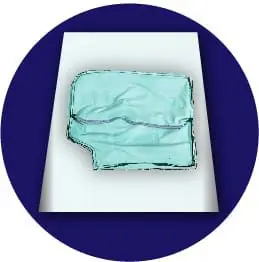
Remove your existing cushion cover and turn it inside out. Lay the cover flat onto a large sheet of paper, lining paper, or newspaper, allowing it to sit naturally without stretching or pulling the fabric. Smooth the cover out carefully so the seams and edges are clearly visible. This helps capture the true shape and size of the cushion accurately.
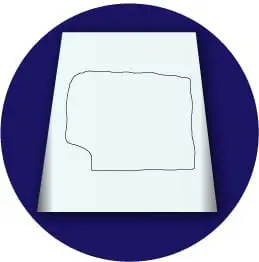
Using a marker pen, carefully trace around the outer edge of the cushion cover. Follow the seams closely and avoid stretching the material while drawing around the shape. Take extra care around: Curves Angled corners Cut-outs Rounded edges Bespoke shapes Accurate tracing helps ensure your replacement cushion fits correctly once manufactured.
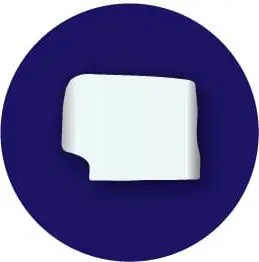
Carefully cut out the template along the traced lines. Once complete, clearly label the template with: Seat or back cushion Top side orientation Any special notes or shaping details You can then fold the template carefully and send it to The Cushion Guys for production. Our team will use your template to create a custom cushion tailored precisely to your furniture.
Before measuring your replacement cushions or made-to-measure cushions, make sure you have the following ready:
A steel measuring tape
For accurate and consistent cushion measurements.
Pen and paper or a notes app
To record your measurements clearly as you go.
A flat surface
Such as a table, worktop, or floor where the cushion or cover can lie naturally without distortion.
Your cushion cover, foam insert, or furniture frame
Depending on whether you’re replacing existing cushions or measuring directly from furniture seating.
A phone or camera (optional)
Helpful for taking reference photos of cushion shapes, corners, curves, or bespoke details.
If you’re requesting a quote from The Cushion Guys, we always recommend including photos alongside your measurements. This helps our team confirm cushion shape, orientation, and sizing details for a smoother made-to-measure process and greater accuracy.
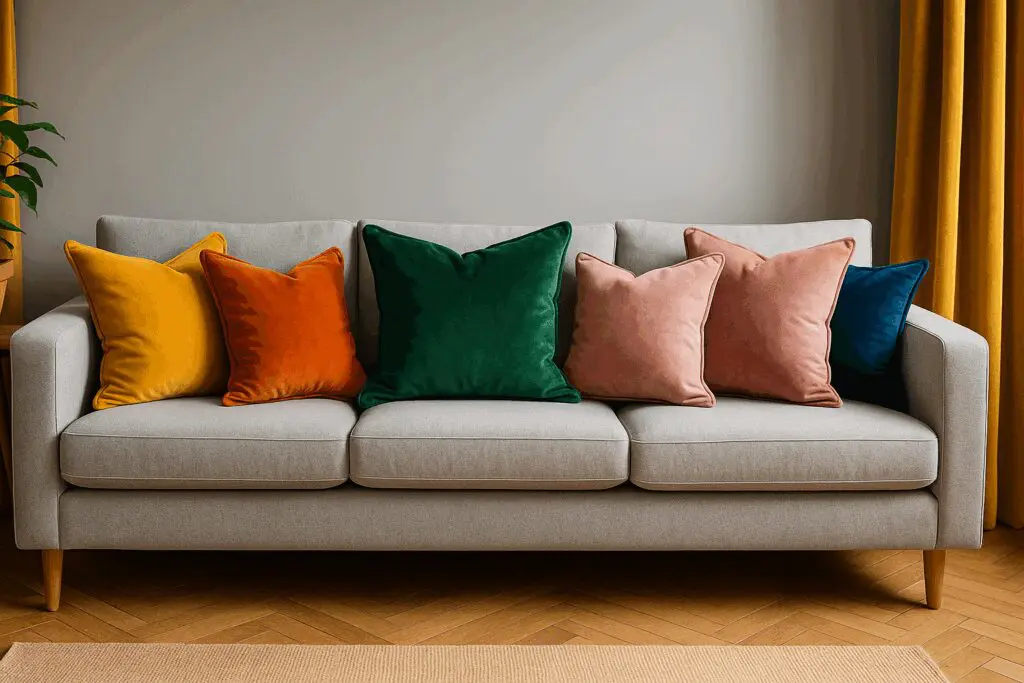
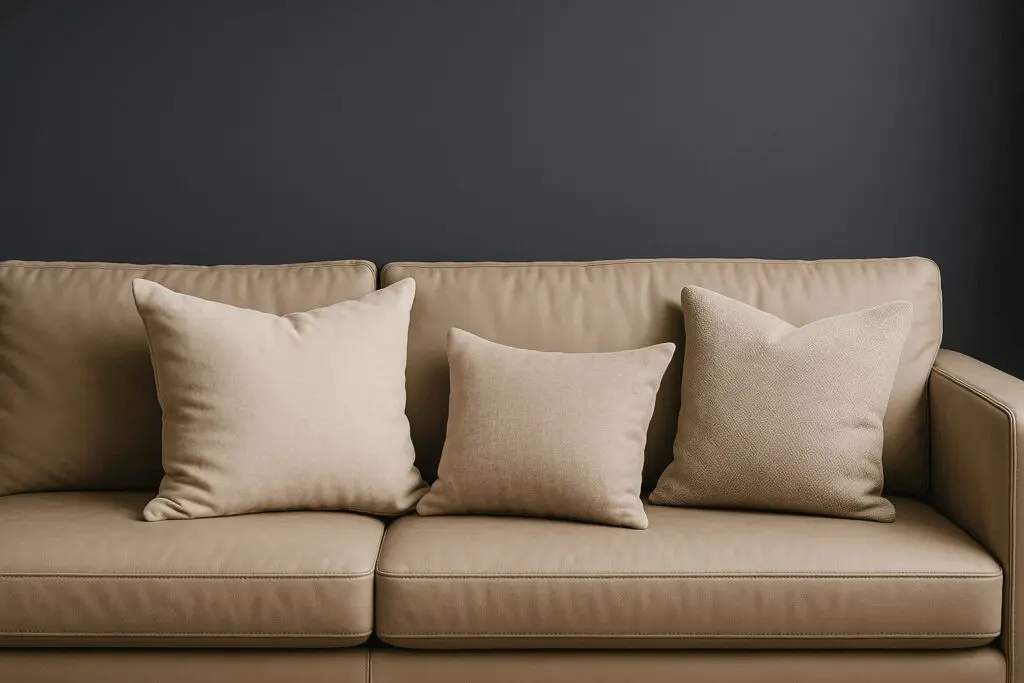
1. Standard Seat Cushions, Back Cushions & Scatter Cushions
This measuring method applies to most:
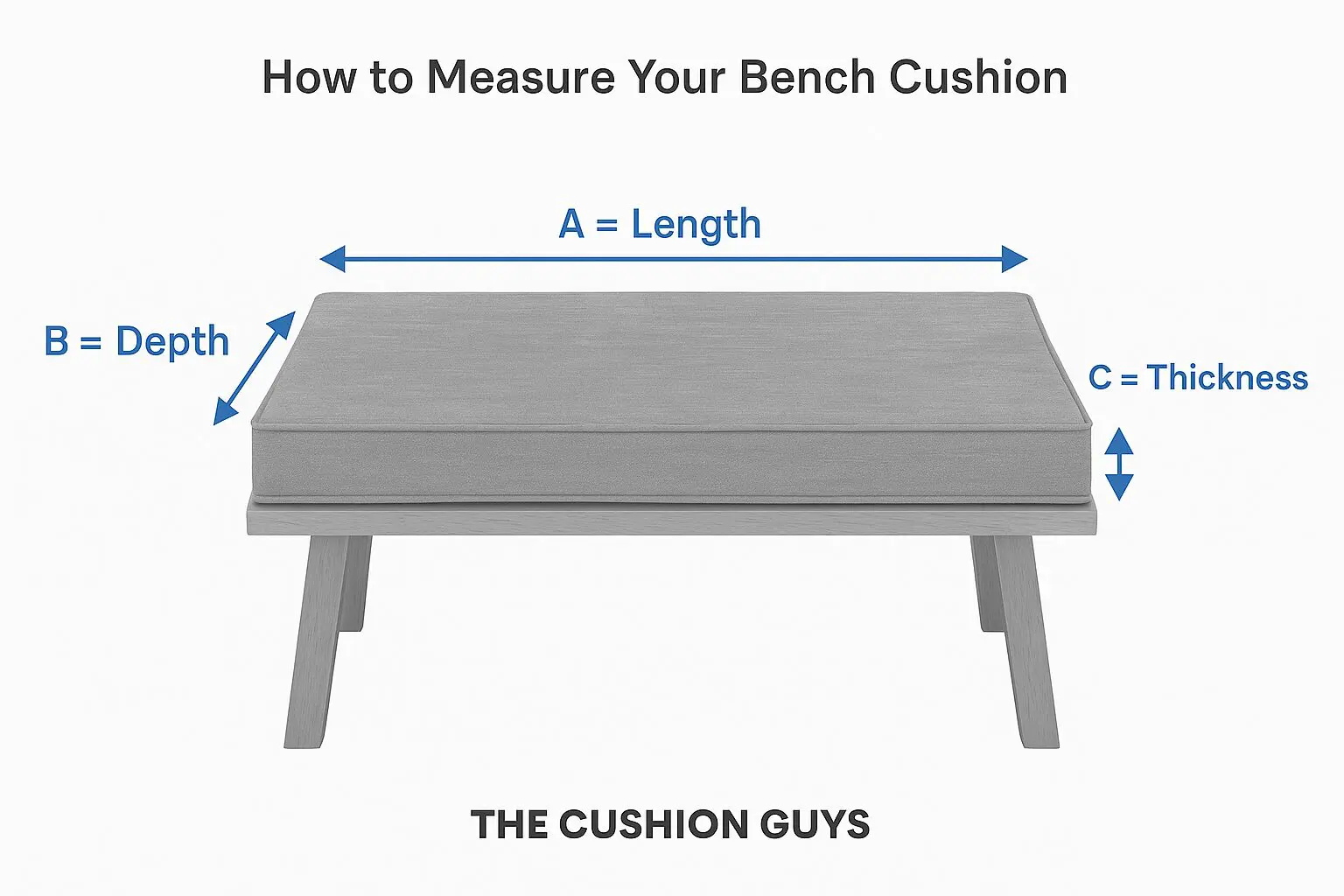
Measure all dimensions seam to seam for the most accurate results.
Length
Measure from front to back along the seam.
Width
Measure from left to right along the seam.
Thickness (Depth)
Measure from the top seam to the bottom seam. Avoid measuring the rounded or puffed edges, as this can distort the final sizing.
Front Edge Shape (If Applicable)
If your cushion has:
Record the exact shape and dimensions carefully to ensure an accurate fit.
When measuring replacement foam cushions, gently smooth the cushion cover flat before taking measurements. Measuring seam to seam helps ensure your new foam insert fills the cover correctly without sagging, bunching, overstretching, or warping the fabric.
Important
Do not measure the old foam insert directly.
Foam naturally compresses and softens over time, which can result in inaccurate measurements. For the best fit, always measure from the cushion cover or directly from the furniture frame where possible.
If you have cushion covers but no existing foam insert, lay the covers flat on a firm surface and gently smooth them out so they sit naturally without stretching the fabric.
Measure seam to seam and avoid including piping, corded edges, or bulging fabric in your measurements. This gives the most accurate internal size for a replacement foam cushion or new cushion insert.
For cushions with:
Make sure the cover is fully flattened so the true shape can be measured correctly.
If you prefer a fuller, plumper finish, let us know when placing your order. In many cases, we can recommend slightly oversizing the foam insert or adding a Dacron fibre wrap to help the cushion fill the cover evenly and achieve a more luxurious finish.
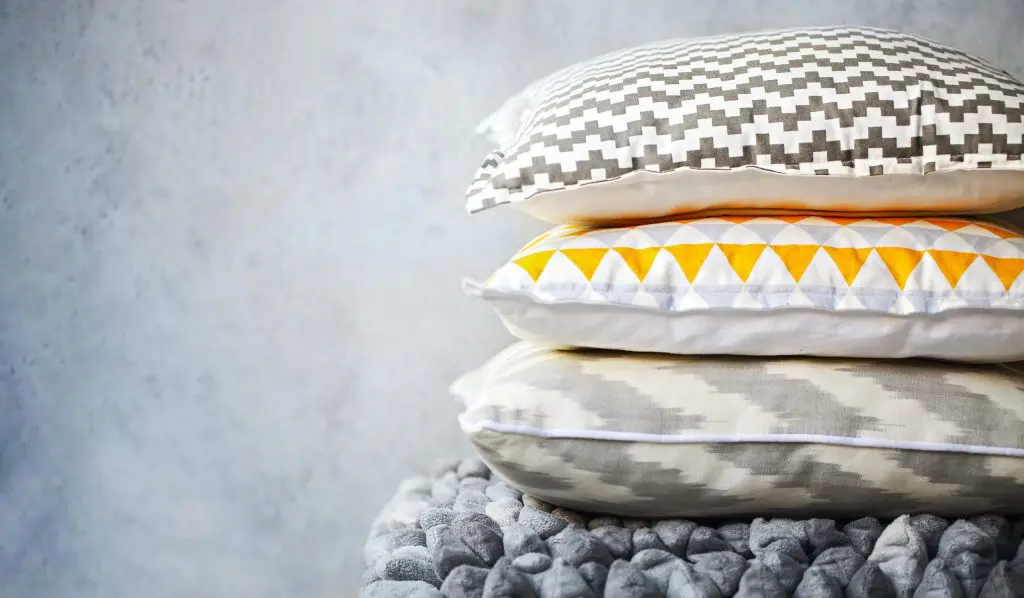
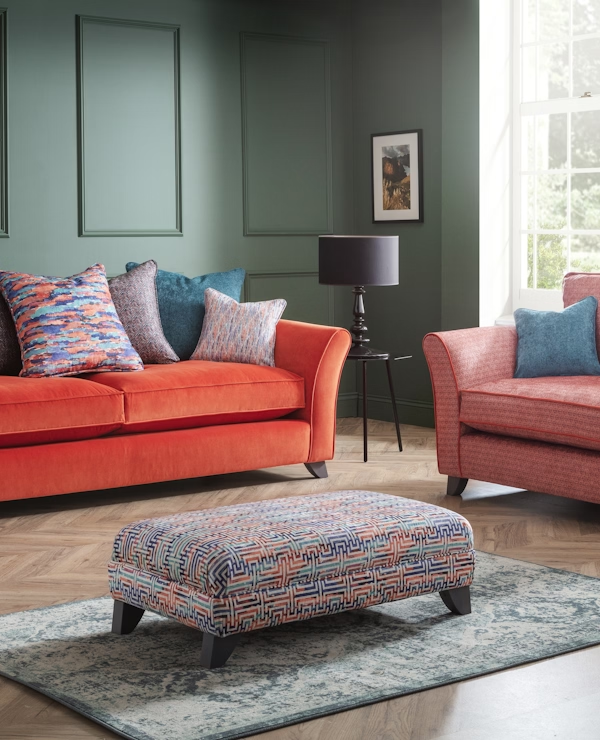
Replacement sofa cushions often require custom-cut foam, especially when cushions have shaped fronts, curved edges, or uneven sides.
When measuring your replacement cushions, always measure seam to seam and record every detail carefully, including:
All Edges & Corners
Measure each side individually rather than assuming both sides are identical. Many sofa cushions vary slightly in size and shape over time.
Angled, Rounded, or Curved Sides
If your cushion has:
Make sure these details are noted clearly to ensure an accurate replacement fit.
Thickness (Depth)
Measure cushion thickness carefully from top seam to bottom seam. Seat cushions and back cushions are often different depths, so each cushion should be measured separately.
Accurate measurements help ensure your replacement couch cushions fit properly, restore support, improve comfort, and maintain the original appearance of your furniture.
Once measured, email your measurements and photos to [email protected]. Including reference photos allows our team to double-check cushion shapes, orientation, and details before your foam is professionally cut to size.
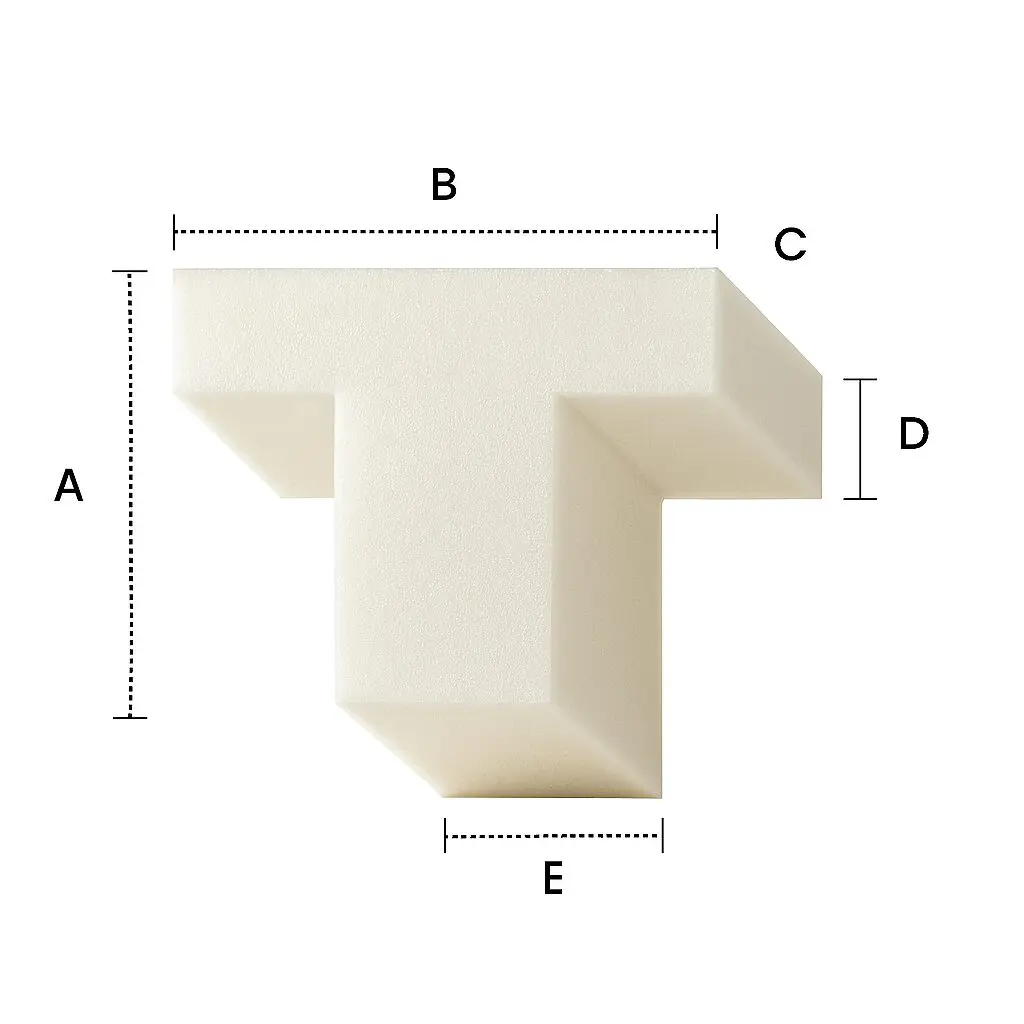
Custom shaped cushions need extra care because small measurement errors can affect the final fit. This is especially important for T-shape cushions, L-shape cushions, curved cushions, chaise cushions, window seat cushions, ottoman cushions, and other bespoke seating.
Measure and note every detail carefully, including:
All Edges
Measure every side of the cushion, including small or short edges. Even minor edges can affect how the cushion sits once made.
Internal Cut-Ins, Angles & Curves
Record any recesses, cut-outs, angled sections, rounded corners, or curved edges. Do not assume these areas are straight unless they are.
Thickness at Multiple Points
Measure the cushion thickness from top to bottom. If the thickness changes across the cushion, record the depth in several places.
Slopes or Tapered Thickness
Some cushions taper from front to back or side to side. If your cushion has a slope or changing depth, note this clearly.
Top and Bottom Widths
For T-shape, L-shape, and other shaped cushions, measure the top and bottom widths separately where applicable.
For the best result, we strongly recommend creating a paper template using tracing paper, craft paper, lining paper, or cardboard. Trace the exact shape, cut it out carefully, and clearly label all key measurements.
A photo taken from above, with dimensions marked, is also extremely helpful. Templates, sketches, and photos allow our team to double-check the shape, orientation, and measurements before your custom cushion is made.
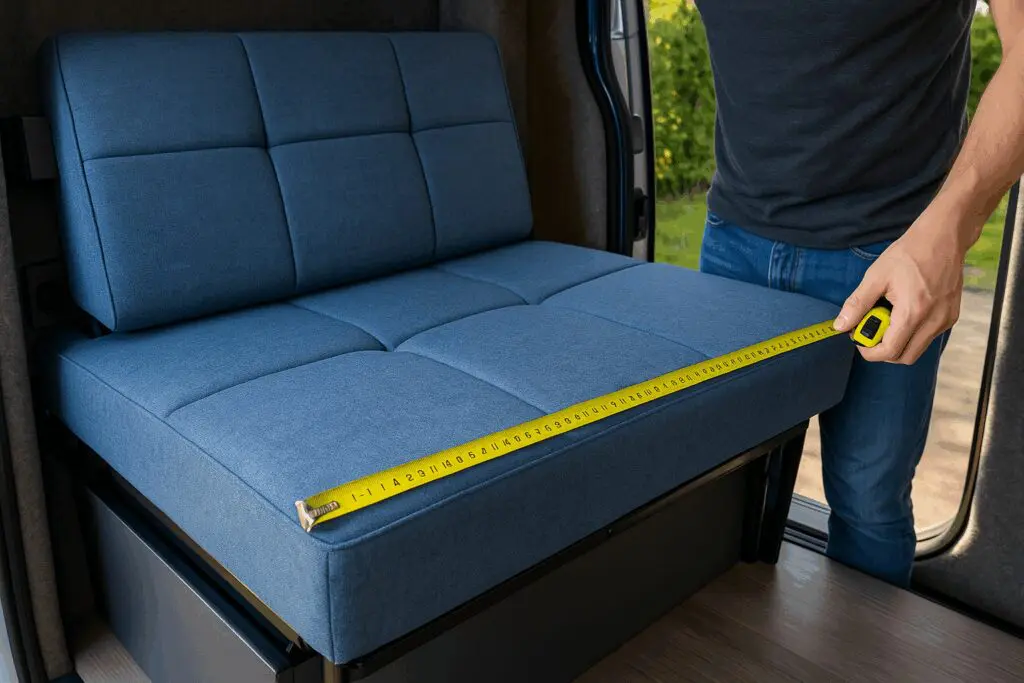
If your original cushion is missing, you can still achieve accurate measurements by measuring directly from the furniture frame or seating area.
Start by measuring the seating area edge to edge and record the following:
All Dimensions
Measure the full:
For asymmetrical or unusual seating areas, also measure diagonals, short edges, and any cut-ins to help confirm the overall shape.
Corners, Curves & Angles
If the seating area includes:
Make sure these details are measured and noted clearly rather than assuming straight lines.
Preferred Fit
Let us know whether you would prefer:
This helps us recommend the best finished cushion sizing for comfort and appearance.
Cushion Thickness
Cushion thickness has a major impact on both comfort and appearance. Our foam cushions are available in thicknesses from 2 to 12 inches in 1-inch increments.
For unusual, shaped, or complex seating areas, we strongly recommend creating a paper template using tracing paper, lining paper, craft paper, or cardboard. Simply trace the seating area, cut out the shape carefully, and clearly label all measurements before sending it to our team.
Choose your filling and create handmade made-to-measure cushions tailored to your comfort, style and space.
To improve comfort, appearance, and long-term performance, we often recommend the following upgrades for made-to-measure cushions and replacement foam cushions:
Dacron Fibre Wrap
Adding a Dacron fibre wrap softens the edges of the foam and helps the cushion fill the cover more evenly. This creates a fuller appearance, reduces loose fabric, and gives the cushion a smoother, more professional finish.
Medium-Soft Foam for Everyday Comfort
Medium-soft foam is one of the most popular choices for indoor seating. It offers a balanced combination of comfort, support, and durability, making it ideal for:
Firmer Foam for Structure & Support
For cushions that need to maintain their shape over time, a firmer foam grade is often recommended. This is especially useful for:
Firmer foam helps provide better structure, improved support, and longer-lasting performance.
Every made-to-measure cushion can be tailored to suit your seating style, comfort preference, and intended use, helping ensure the finished result looks right, feels comfortable, and performs properly in everyday use.

Taking accurate measurements the first time helps avoid delays, fitting issues, and unnecessary costs. Below are some of the most common cushion measuring mistakes and how to avoid them.
❌ Measuring the Old Foam Instead of the Cushion Cover
✅ Always measure seam to seam from the cushion cover or directly from the furniture frame where possible. Old foam naturally compresses over time and can give inaccurate sizing.
❌ Guessing Thickness or Rounding Measurements
✅ Use a proper tape measure and record all measurements accurately to the nearest 0.5 cm or ¼ inch for the best possible fit.
❌ Overlooking Shapes, Curves, or Angled Sections
✅ Carefully record all:
Rounded corners
Curved fronts
Angled edges
Cut-outs
Slopes or tapered sections
This is especially important for chaise cushions, window seat cushions, ottoman cushions, campervan cushions, and other bespoke shapes.
❌ Sending Photos Without Measurements
✅ Photos are extremely helpful for confirming cushion shape and orientation, but accurate measurements are still essential for quoting, foam cutting, and manufacturing.
Taking a few extra minutes to measure carefully helps ensure your made-to-measure cushions fit correctly, feel comfortable, and look professionally finished from day one.
Choosing the right cushion filling plays a major role in how your cushions feel, look, and perform over time. Different fillings provide different levels of comfort, support, softness, and durability, so it’s important to choose the right option for your seating and intended use.
Foam Cushions
Foam cushions are available in:
Soft foam
Medium foam
Firm foam
Memory foam
Firmer foams provide greater support and better shape retention, making them ideal for:
Seat cushions
Bench cushions
Window seat cushions
High-use furniture
Softer foams and memory foam offer increased comfort and pressure relief, making them better suited to relaxed seating and lounging areas.
Feather Cushions
Feather cushions are popular for luxury interiors thanks to their soft, relaxed, sink-in feel. They create a fuller, more inviting appearance and are commonly used for:
Sofa back cushions
Scatter cushions
Decorative seating
Feather fillings do require regular plumping to maintain their shape and are generally best suited to lower-use seating areas.
Fibre Cushions
Fibre cushions are lightweight, soft, and cost-effective. They are commonly used for:
Back cushions
Scatter cushions
Decorative cushions
Fibre fillings offer comfortable everyday seating with less maintenance than feather cushions, making them a practical choice for busy homes.
Choosing the correct cushion filling helps ensure your made-to-measure cushions provide the right balance of comfort, support, appearance, and durability for everyday use.
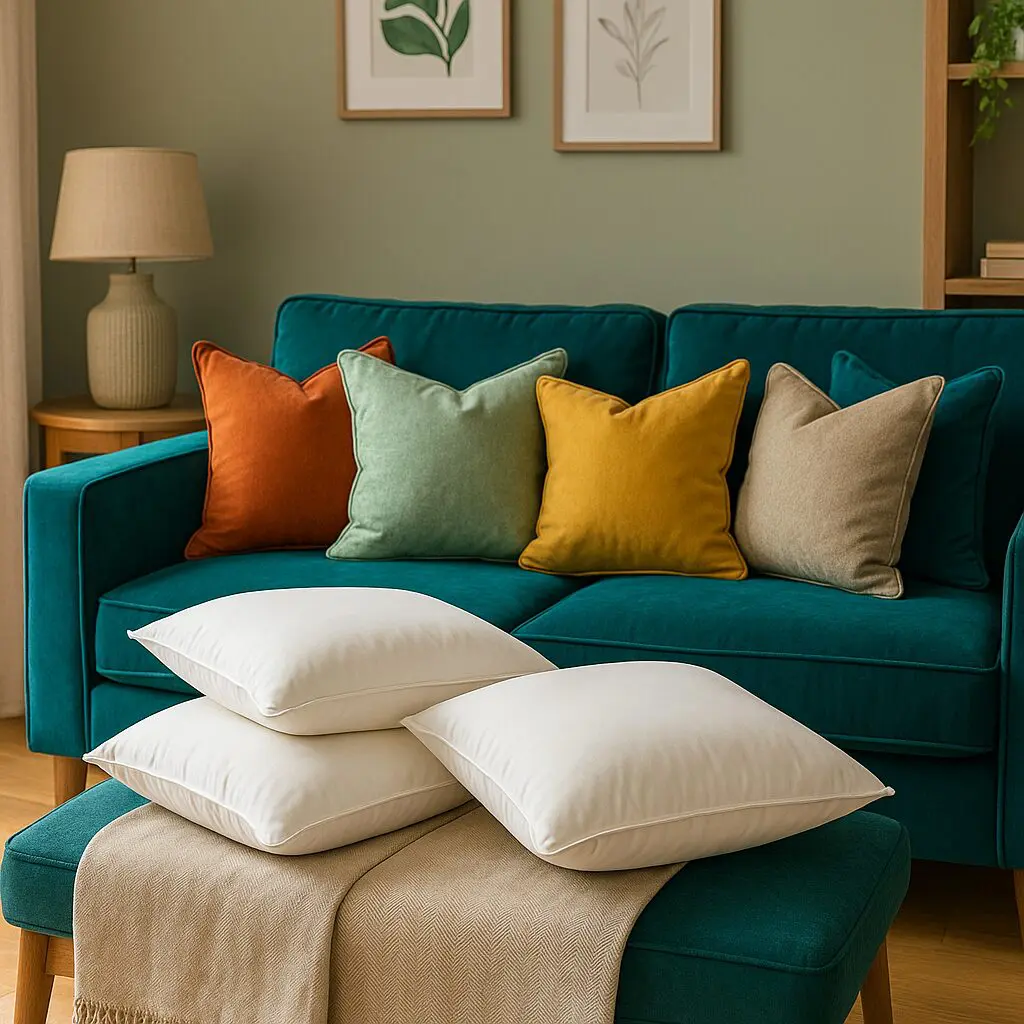
Every made-to-measure cushion can be customised to suit your furniture, comfort preferences, and interior style. Our customisation options include:
Choice of Cushion Shape
Choose from a wide range of cushion shapes, including:
Custom Cushion Thickness
Choose cushion thicknesses from 2 to 12 inches in 1-inch increments to achieve the right balance of comfort, support, and appearance.
Zip Closures
Zip closures allow cushion covers to be easily removed for:
Decorative & Functional Finishes
Personalise your cushions with optional finishing details including:
These additions can improve both appearance and practicality depending on how the cushion will be used.
Tufted Cushion Styles
Tufted cushions are ideal for creating a more traditional or decorative finish while helping cushions maintain structure and shape.
Performance Fabrics & Outdoor Options
For outdoor seating, garden furniture, campervan cushions, caravan cushions, and heavy-use areas, ask about our performance fabric options, including:
These upgrades help improve durability, weather resistance, and long-term performance in demanding environments.
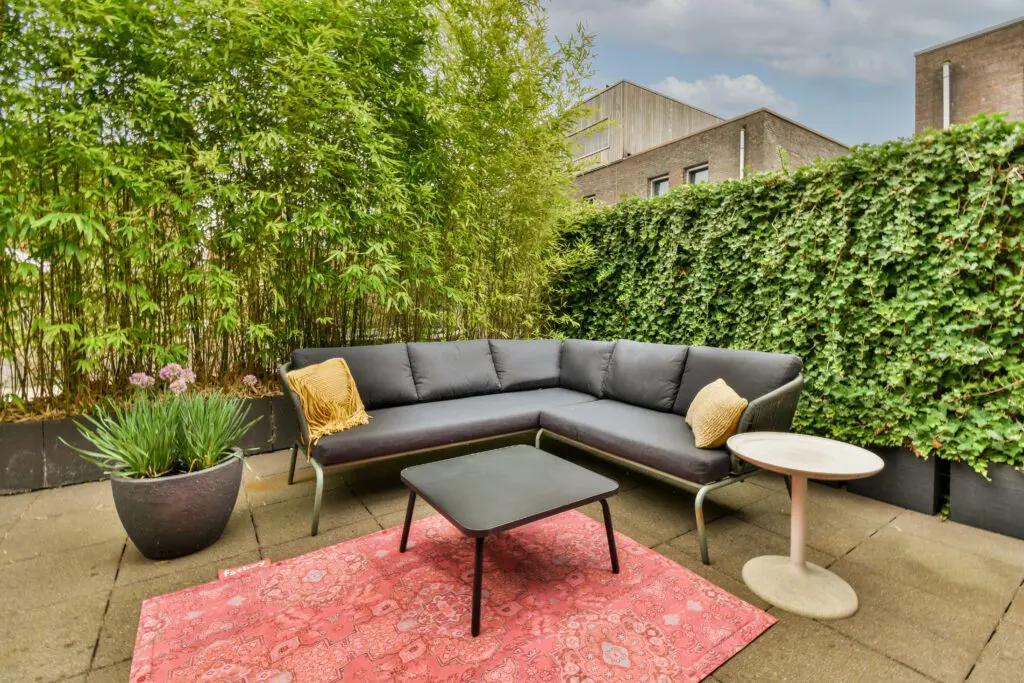
For outdoor cushions and high-use seating areas, choosing the right fabric can significantly improve durability, comfort, appearance, and ease of maintenance. Our performance fabric upgrades are designed to handle everyday use and changing UK weather conditions.
Mildew-Resistant Fabrics
Ideal for:
These fabrics help reduce the risk of damp, mould, mildew, and unwanted odours caused by moisture exposure.
Stain-Resistant Fabrics
Designed for easier cleaning and everyday practicality, stain-resistant materials help reduce the build-up of:
Perfect for busy households, family seating, and commercial environments.
Water-Resistant Coatings
Water-resistant outdoor fabrics help repel light rain and surface moisture, allowing cushions to dry faster and remain usable for longer periods outdoors.
UV-Resistant Fabrics
UV-resistant materials help protect cushions from colour fading caused by prolonged sun exposure, helping outdoor cushions maintain their appearance season after season.
Reversible Cushions
Reversible cushion designs allow both sides of the cushion to be used, helping:
Tufted Outdoor Cushions
Tufted patio cushions offer a more traditional and decorative appearance while helping maintain structure and comfort for outdoor seating areas.
These outdoor fabric and performance upgrades can be combined to create made-to-measure cushions that look great, feel comfortable, and perform reliably in both indoor and outdoor environments.
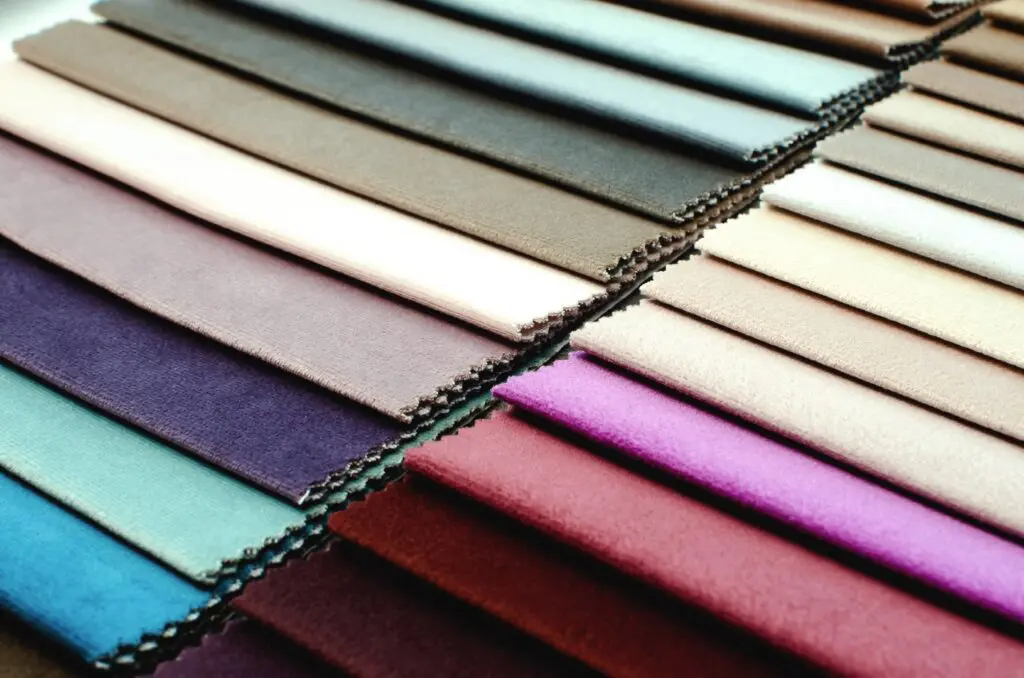
With over 1,000 fabrics available, including reversible cushion designs, there are countless ways to customise your made-to-measure cushions to suit your furniture, interior style, and everyday lifestyle.
We manufacture all cushion shapes using the following filling options:
Foam Cushions
Available in:
Foam cushions are ideal for seating that requires structure, support, durability, or pressure relief, making them popular for:
Feather Cushions
Feather cushions provide a luxurious, relaxed sit with a soft sink-in feel. They create a fuller, more inviting appearance but do require regular plumping to maintain their shape over time.
Fibre Cushions
Fibre cushions are lightweight, soft, and comfortable, making them particularly well suited to:
They offer comfortable everyday use with less maintenance than feather-filled cushions.
To further refine the finished feel and appearance, we also offer:
These upgrades can help create:
Whether you prefer cushions that feel soft and relaxed or structured and supportive, our team can help recommend the best combination of foam, fibre, feather, and fabric options for your space.
Choose your filling and create handmade made-to-measure cushions tailored to your comfort, style and space.
Measure the cushion from seam to seam across the length, width, and thickness. Always lay the cushion flat and avoid stretching the fabric. If you’re measuring the cover only, ensure it’s smoothed out with no bunching.
Always measure the cover or the frame not the old foam inside. Foam compresses over time and can give inaccurate results. Seam-to-seam is the most reliable method.
Use the seat base or original cover to measure the length, width, and depth. If the original cushion is unavailable, measure the furniture frame and note any rounded edges or corners.
No for most cushions, measure in straight lines along the seams. Diagonal measurements are only useful for special shapes, which we can help you map out with a photo or template.
Yes! You can request added foam layers or a dacron wrap to create a plumper, more structured fill ideal for older covers that have stretched or sagged over time.
Yes! Just email us a photo and basic measurements we’ll guide you.
Only as a rough guide. We recommend using the cushion cover or furniture frame for the most accurate measurement.
Mention it in your order we can customise as needed.
Yes you can post a paper template or email a traced outline photo with measurements.
Yes! Visit our Foam Cut to Size page to get started.